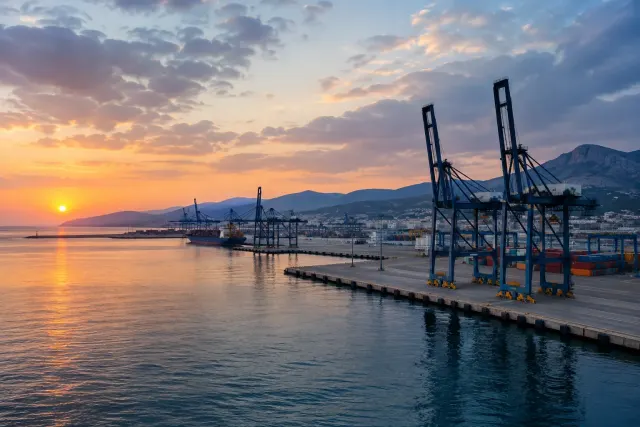
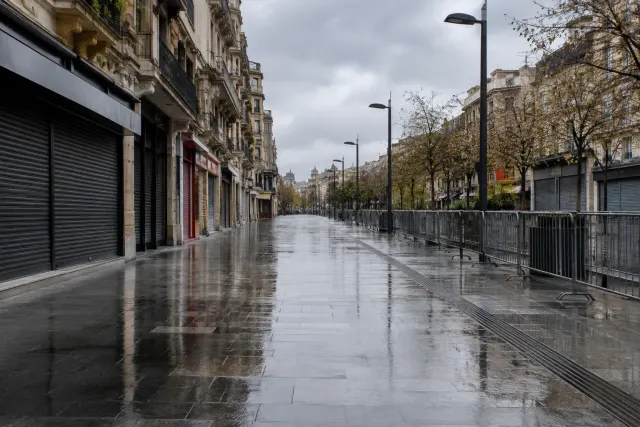
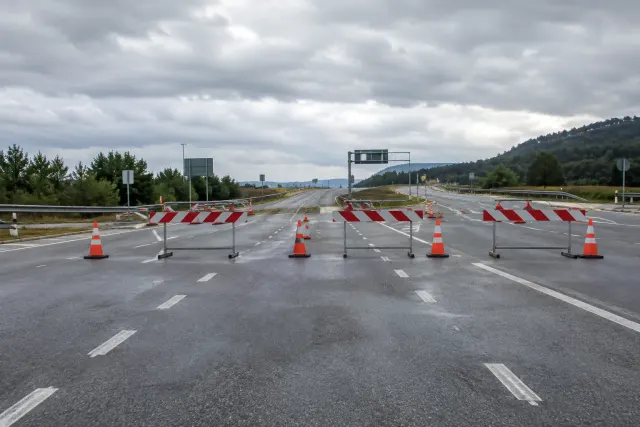
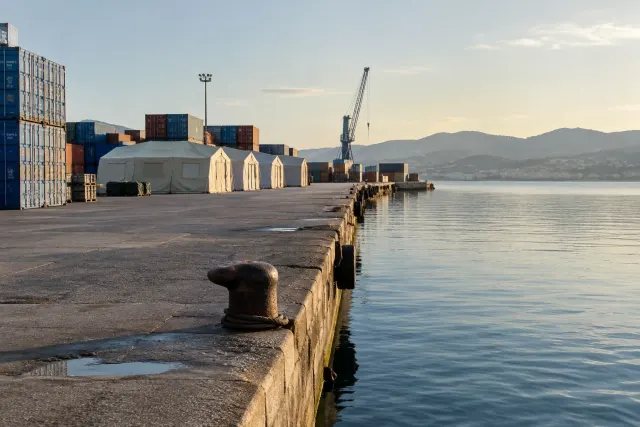
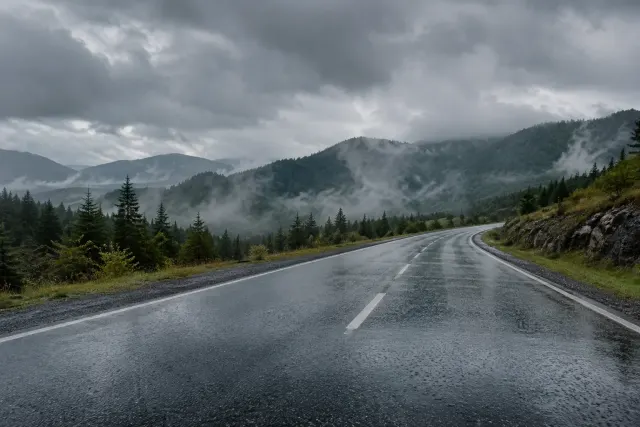
The Moroccan port of Tanger Med has resumed regular maritime operations following a precautionary shutdown lasting approximately eighteen hours. The temporary closure had been triggered by adverse weather conditions recorded in the Strait of Gibraltar, which had interrupted maritime links with southern Spain.
The PSOE inaugurated in Seville the campaign for the general election scheduled for twenty-nine November. The outgoing prime minister Pedro Sánchez called for a strong mobilization of the electorate, flanked by a surprise speech from his wife Begoña Gómez before over three thousand people gathered for the start of the political contest.
The leader of the Spanish People's Party, Alberto Núñez Feijóo, opened his campaign in Badalona for the general election on 29 November. The conservative figure proposed a central role for Catalonia in the country's reconstruction and announced measures on security, taxation, and combating squatting.
The European Public Prosecutor's Office has launched inquiries at the Spanish Ministry of Equality and Court of Auditors over alleged irregularities in the use of European Union funds earmarked for the purchase of telematic anti-violence monitoring bracelets. The checks are supported by the Guardia Civil, while the ministry ensures the correct management of the resources.
The Permanent Deputation of the Spanish Congress has approved the decree extending the ban on evictions for vulnerable people and freezing rental rates for two years. However, the measure aimed at making rental contracts open-ended was rejected.
Hundreds of thousands of protesters took to the streets in major Spanish cities on the occasion of the November 11 general strike, demanding action on wages and rents. The day saw unrest in Madrid and Barcelona, as well as divisions between trade unions and the employers' association over turnout figures.
The general mobilization day of November 11 in Spain registered opposing assessments between the social partners. Unions speak of a turnout exceeding expectations and announce legal action over police charges, while employers' organizations estimate participation at five percent, describing the protests as a failure.
The day of mobilization on November 11 in Spain sparked opposing reactions across the national political landscape. While government representatives consider the demands regarding wages and the right to housing legitimate, opposition parties denounce an electoral maneuver, alongside support expressed by the left for the union protests.
Spain experienced a day of general mobilization promoted by the CCOO and UGT unions, joined by the Sindicato de Inquilinas. Demonstrations demanding affordable housing and decent wages caused traffic disruptions, police charges, and at least twenty-three arrests across several cities, alongside uneven geographical turnout.
Spain faces a national mobilization promoted by the main trade unions to demand adequate wages and housing protections. The initiative, called during an already scheduled electoral period, has sparked a clash between the national executive, which supports the protest, and the parliamentary opposition alongside employers' associations.
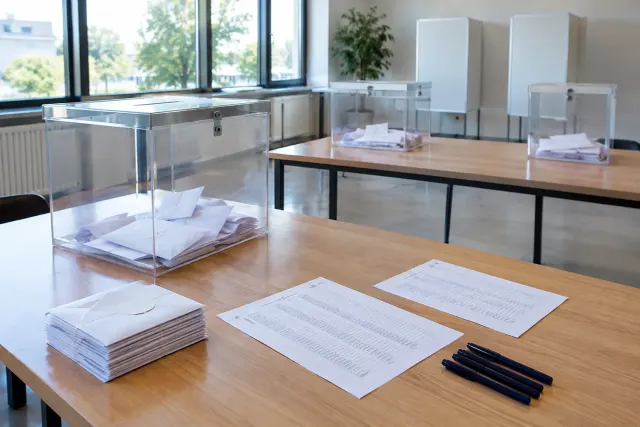
In view of the November 29 election in Spain, the compensation and work leave provisions for polling station presidents and tellers have been announced. The daily allowance rises to 75 euros, while employees are entitled to paid leave and working hour reductions for the following day.
Spanish national police have begun clearing the temporary camp in the port of Ceuta to close the facility. Authorities are transferring migrants to other centers to verify their legal status, while voluntary repatriations to Morocco increase following the arrivals recorded in late July.
Spanish authorities have established essential operating quotas for the general strike on November 11. According to broadcaster RTVE, the measures involve transport, public health, and strategic security to protect citizens' fundamental rights.
In Spain, PSOE and PP have agreed to hold the debates for the November 29 general election at the Television Academy. The agreement includes a head-to-head between Pedro Sánchez and Alberto Núñez Feijóo and a second multi-party debate, with willingness to participate also expressed by Frente Amplio and Podemos.
The Spanish Supreme Court has rejected the request to suspend the voting rights of approximately 190,000 children of people naturalized through the democratic memory law ahead of the general election on November 29. Meanwhile, the precautionary suspension remains confirmed for the parents.
Venezuelan leader Delcy Rodríguez has filed a complaint for alleged serious defamation against Víctor de Aldama. The businessman had linked her to the alleged delivery of documents relating to the financing of the Spanish PSOE party. The defense fundamentally disputes the television statements and raises doubts about the authenticity and traceability of the evidence provided.
The Spanish Ministry of Transport is undergoing a profound political crisis linked to judicial investigations into public procurement and a series of rail disasters that cost the lives of one hundred and sixteen people. The recent resignations of top leadership have prompted the government to temporarily entrust the department to Carlos Cuerpo.
The Atlantic storm Bruna is causing a marked phase of bad weather over the Iberian Peninsula and the Balearic Islands. According to forecasts released by the broadcaster RTVE and Aemet, heavy rainfall is expected on the Atlantic slope, along with widespread clouds, intense winds, and fog on high ground.